

Georgia Travel Guide for First-Time Travelers: What to Know Before You Go

Georgia has quietly become one of those destinations travelers rave about after they return. Ancient cities, dramatic mountain landscapes, long shared meals, and a pace of life that feels refreshingly unhurried all make it deeply appealing.
But for first-time visitors, Georgia can also feel a little unclear.
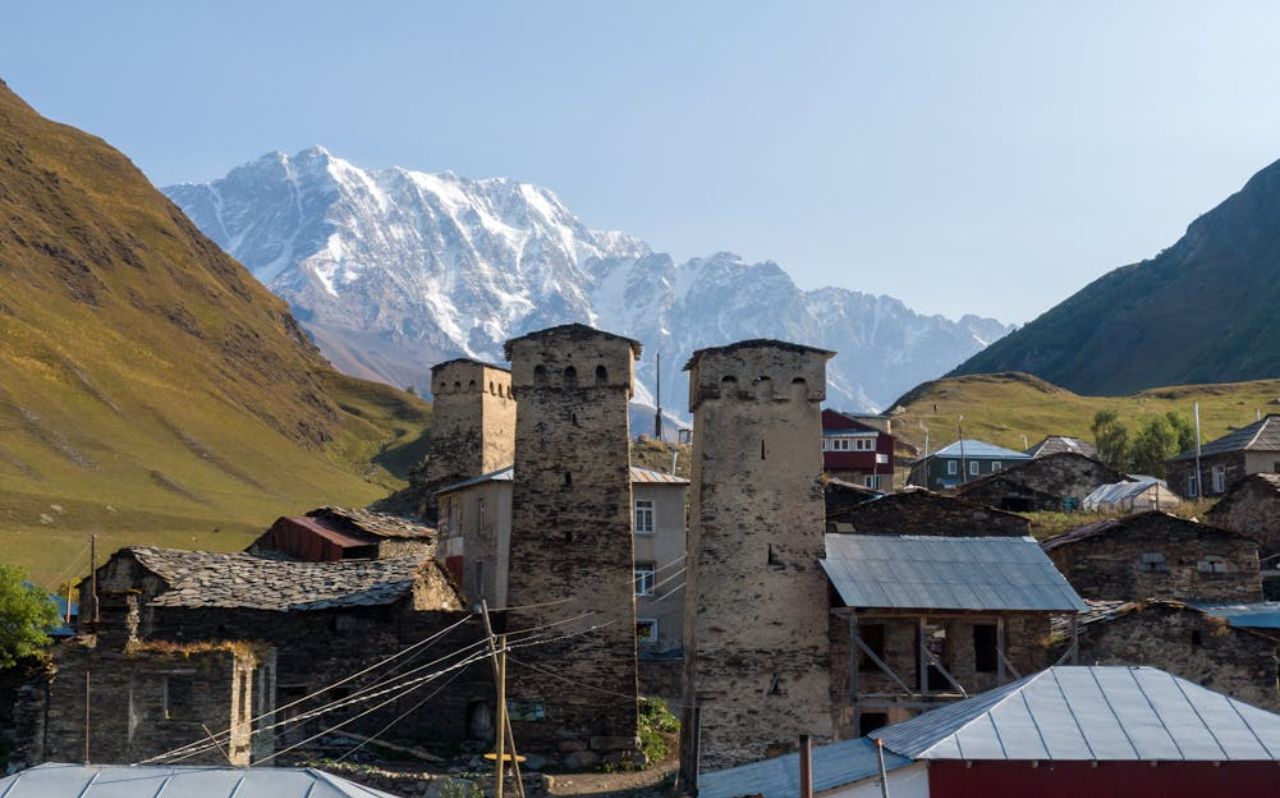
The country sits at the crossroads of Europe and Asia. Its geography changes fast. City life in Tbilisi feels modern and easy, while just a few hours away, you may find yourself in remote mountain villages where things work very differently.
Many travelers arrive excited, but also slightly unsure. How easy is it to get around? What should you plan in advance? What tends to catch first-time visitors off guard?
This guide focuses on the practical side of traveling in Georgia. It helps you understand what to expect, how to plan a comfortable first trip, and how to avoid common mistakes that can add unnecessary stress.
1. What First-Time Travelers Should Expect in Georgia
Georgia is not difficult to travel. But it does reward realistic expectations.
Geography and travel distances
On a map, Georgia looks compact. In practice, travel times can feel longer than expected.
Mountain roads are winding. Weather can slow things down. A distance that looks short may take several hours to cover, especially outside major cities. This is one of the biggest surprises for first-time visitors who try to pack too much into a short itinerary.
Language and communication
In tourist-friendly areas, basic English is common. Hotel staff, tour operators, and many younger locals speak enough English to help.
Outside cities, English is less widely spoken. This does not usually cause major problems, but it does mean travelers often rely more on maps, gestures, and basic translation tools to get by smoothly.
Travel rhythm and flexibility
Georgia runs on a flexible rhythm.
Timetables are not always strict. Plans may change based on weather or local advice. Travelers who allow buffer time and stay open to adjustments usually enjoy their experience more than those trying to follow a rigid schedule.

2. Getting Around Georgia: Transportation Basics
Understanding transportation early makes planning much easier.
Moving around cities
In cities like Tbilisi and Batumi, walking works well in central areas. Taxis and ride-hailing apps are widely used and affordable for most travelers.
Public transport exists, but it can feel confusing at first. Many visitors prefer taxis for convenience, especially when navigating unfamiliar neighborhoods.
Traveling between regions
Between cities and regions, travelers typically use:
Marshrutkas (shared minibuses)
Private drivers
Rental cars
Marshrutkas are inexpensive and widely used, but schedules can be flexible rather than fixed. Renting a car offers freedom but requires confidence driving on mountain roads.
What often surprises first-time visitors
Signage outside major routes can be limited. Directions are not always clearly marked. Asking locals for help is common and usually welcomed.
Planning routes ahead of time and allowing extra travel time reduces frustration significantly.
3. Suggested Georgia Itinerary for First-Time Visitors
Georgia works best when you avoid rushing.
3–4 days: Tbilisi and nearby areas
Tbilisi makes an ideal starting point. The Old Town, sulfur baths, hillside viewpoints, and cafes offer a gentle introduction to the country.
Short day trips nearby allow you to explore without constantly changing accommodation.
2–3 days: Mountain regions
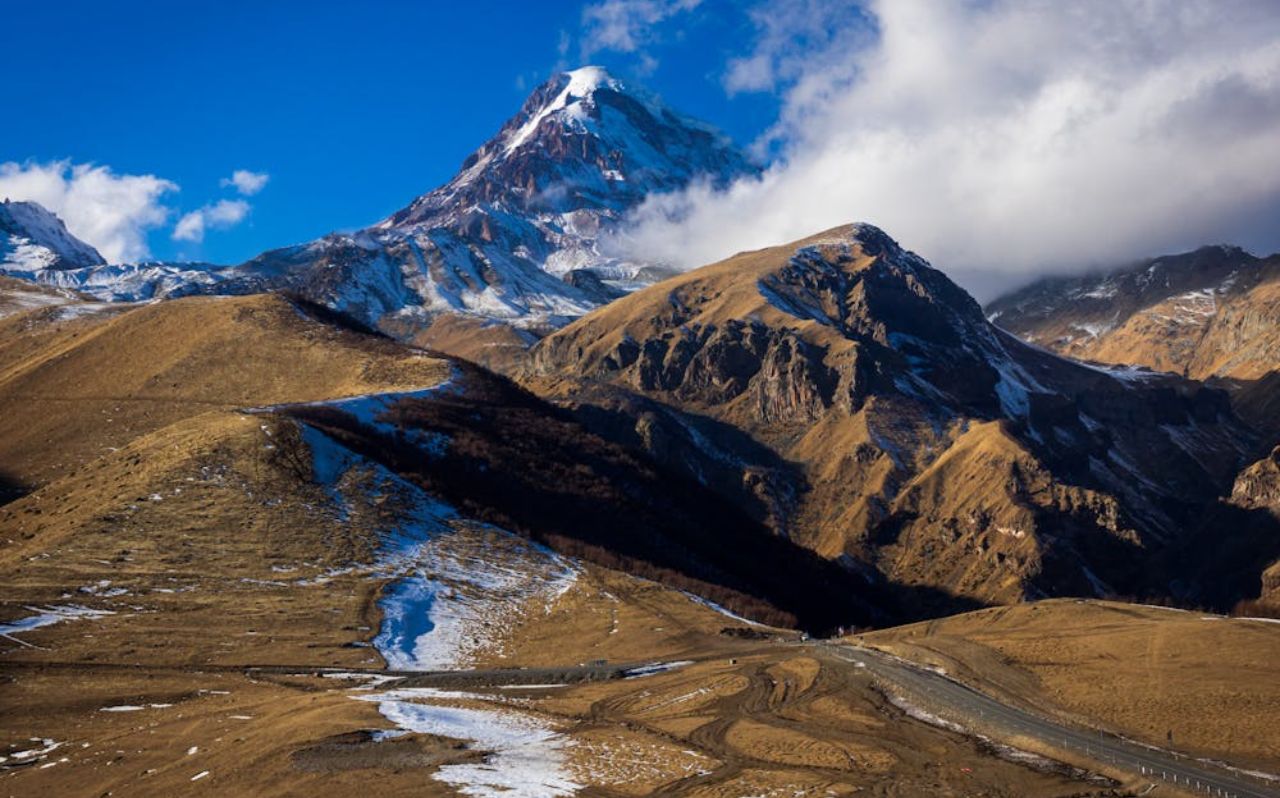
Many first-time visitors head toward Kazbegi or similar mountain areas. These regions deliver dramatic scenery and a slower pace.
Weather plays a major role here. Plans may shift, and flexibility is essential.
Optional extensions
If time allows, travelers often add:
Wine-focused trips to Kakheti
Coastal relaxation in Batumi
Trying to cover everything in one trip often leads to fatigue. Fewer regions with more time in each usually creates a better experience.
4. Traveling Beyond Tbilisi: What Changes Outside the City
Once you leave major cities, the travel experience changes noticeably.
Services become more limited. Shops close earlier. Accommodation is often smaller and more personal, such as guesthouses or family-run stays.
WiFi may exist but is not always fast or reliable, especially in rural or mountainous areas. This does not ruin the experience, but it does affect how travelers plan their days and communicate when plans shift.
Understanding this contrast ahead of time helps first-time visitors adjust expectations and travel with confidence.
5. Practical Travel Situations Where Connectivity Matters
Connectivity in Georgia is rarely about constant use. It becomes important in specific moments.
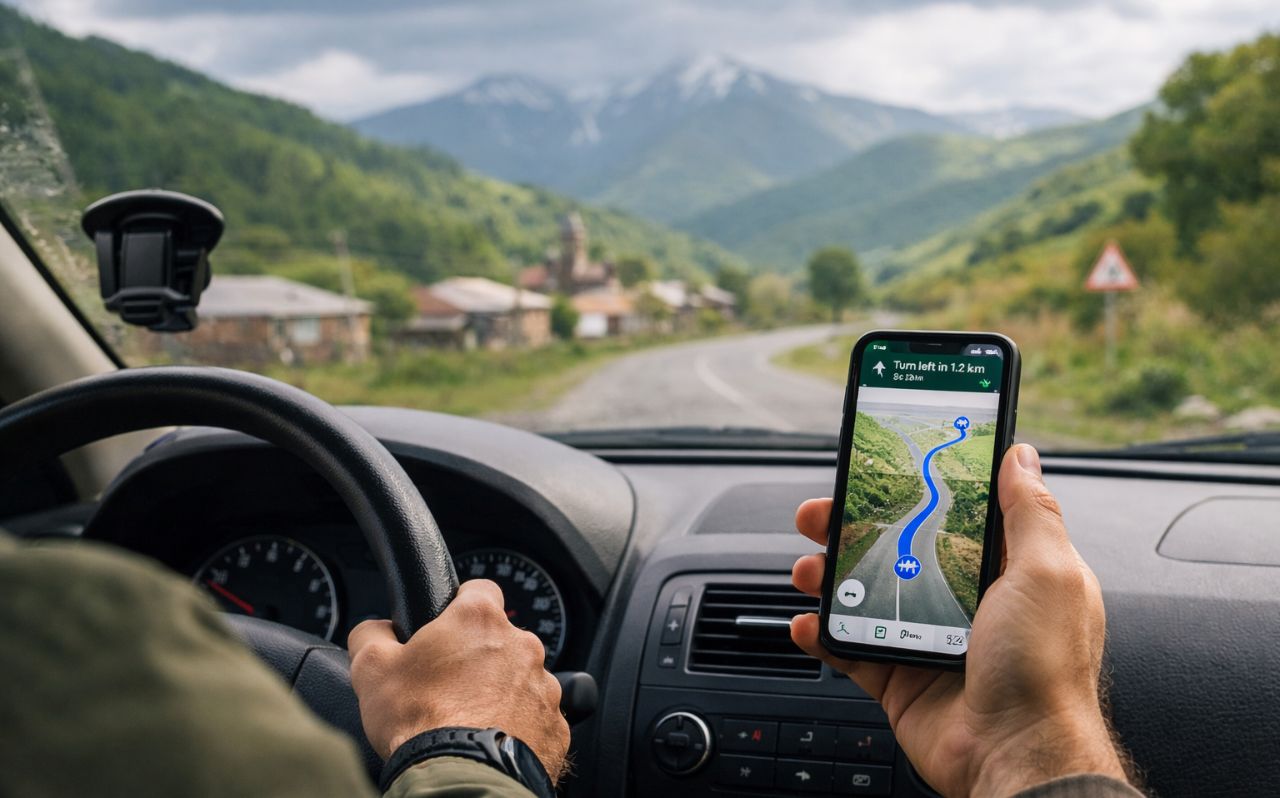
Navigation is a common example. Road signs may be sparse, and routes can change unexpectedly due to weather or construction. Even travelers using offline maps often find they need occasional access to updated directions.
Communication is another. Coordinating with a driver, confirming arrival times with a guesthouse, or adjusting plans at short notice becomes much easier when travelers can stay connected.
Arrival day logistics also matter. After a long flight, travelers often need quick access to maps, transportation apps, or messages. Public WiFi exists in many places, but it is not always convenient when you need it most.
These moments are not dramatic. They are small, practical situations that can either feel smooth or stressful depending on preparation.
6. When Planning Ahead Helps Reduce Travel Stress
Many of the small challenges first-time travelers face in Georgia come down to planning rather than difficulty.
Understanding travel distances, allowing buffer time, and preparing for moments when WiFi is unavailable all help create a calmer experience.
In situations like this, having a reliable travel eSIM for Georgia can help travelers stay connected without relying entirely on public WiFi.
7. Frequently Asked Questions About Traveling in Georgia
Is Georgia easy to travel for first-time visitors?
Yes. Georgia is generally welcoming and manageable, especially for travelers who allow flexibility in their plans and avoid rushing between regions.
How many days are enough for a first trip to Georgia?
A first visit usually works best with 7–10 days. This allows time for Tbilisi, one mountain region, and optional extensions without feeling rushed.
Can travelers get around Georgia without speaking the local language?
In tourist areas, yes. Outside cities, language barriers exist, but most travelers manage comfortably with basic planning and translation tools.
Is Georgia suitable for slow or independent travel?
Very much so. Georgia rewards travelers who move at a relaxed pace and stay open to spontaneous experiences.
Do travelers need internet while exploring Georgia?
Internet access is helpful for navigation, communication, and arrival logistics. While WiFi is common, it is not always available exactly when travelers need it most.

Hi! Mình là Lala Wren, một content creator yêu xê dịch và đam mê chia sẻ trải nghiệm thực tế cho cộng đồng Gohub. Trong nhiều năm qua, mình đã đặt chân đến Thái Lan, Hàn Quốc, Nhật Bản, Singapore, Malaysia, Bali và nhiều điểm đến thú vị khác trên khắp châu Á. Cùng mình tìm hiểu tất tần tật từ khâu chuẩn bị eSIM, Visa, lịch trình và địa điểm nổi bật cho chuyến đi sắp tới của bạn nhé!
Vedi tutti gli articoli →